Pain is not just a signs and symptom, it is a vehicle driver of size of stay, readmissions, and client complete satisfaction. Registered nurses carry a lot of the responsibility for analyzing discomfort, starting first-line measures, working with analgesia, and rising when something is off. The right training shifts a registered nurse's practice from reactive to awaiting. It likewise reduces the "trial and error" that annoys clients and personnel alike.
Over two decades of functioning along with ward registered nurses, ED teams, and specialty services, I have actually seen what divides competent pain treatment from excellent discomfort treatment. It is usually not a single intervention. It is a mix of situational judgment, consistent evaluation, interaction with prescribers, and a reliable understanding of the pharmacology and nonpharmacological options. A solid pain administration program helps cement those pieces with a shared language and a clear framework.
This overview maps the landscape of pain administration training for nurses, compares online and in-person alternatives, clarifies where brief training courses fit versus much deeper discomfort administration accreditation paths, and supplies sensible suggestions to choose a program that matches your duty, your individuals, and your constraints.
What nurses require from a pain management course
The web content that actually improves treatment looks details in practice. Registered nurses require to screen and stratify pain swiftly, differentiate regular post-operative discomfort from warnings, and after that match administration to client objectives and threat. They require to recognize where acetaminophen ends and when to draw in ketamine or local anesthesia, and they require to feel confident providing nonpharmacological strategies that in fact service an active change. They likewise require to record and connect plainly to prescribers and families.
The foundation hardly ever transforms across setups. Makeup and physiology of discomfort, nociceptive versus neuropathic features, and mixed pain patterns. Verified assessment devices for various populations, including people with ecstasy, mental deterioration, or language barriers. Pharmacology that surpasses "opioid or not" and covers multimodal mixes, ceiling results of particular medications, opioid conversions, and kidney or hepatic dosing restrictions. Step-by-step accessories like neighborhood infiltration and local blocks in postoperative paths, where extent allows. Nonpharmacological treatments, from cold and heat to taking a breath techniques, graded activity, cognitive reframing, and sleep hygiene. Communication and paperwork regimens that reduce errors and legal danger. Security and escalation protocols: respiratory system anxiety, pruritus, https://brooksetki513.raidersfanteamshop.com/puaeme008-give-pain-monitoring-program-what-you-need-to-know oversedation, believed diversion, withdrawal, and poorly regulated discomfort despite intensifying dosages. Special populations: pediatric medicines, older adults, maternity and lactation, burns, oncology, palliative treatment, and patients with substance usage disorders.
When courses supply these elements with case-based teaching and interactive technique, registered nurses often tend to apply them the next shift. When training courses present them as a slide deck of interpretations, most of it never ever gets to the bedside.
Online programs: where flexibility satisfies consistency
Most nurses do not have the deluxe of stepping away for a week. On-line discomfort monitoring programs fix that constraint by providing you access to professional content on your routine, with the added benefit of constant quality. The delta in worth comes from interactivity and medical integration.
Self-paced modules serve for core understanding. These usually consist of micro-lectures on discomfort paths, brief pharmacology sectors, and video clip demonstrations of evaluation. When programs add method cases with prompt feedback, knowledge sticks. Live digital workshops add role-play and real-time Q&A, which assist seal challenging areas like opioid conversions or responding to clients that fear opioids after a bad experience. Simulation systems, even simple ones, can walk you via stepwise titration and surveillance of PCA, ketamine infusions, or sharp pain service protocols.
Nurses in rural or resource-limited setups commonly like online programs due to the fact that traveling and backfill are hard to safeguard. An ED registered nurse that has finally achieved competence with emergency discomfort management with virtual learning told me they kept their phone at hand to evaluate a dosing calculator throughout preliminary ketamine administration for extreme trauma. That mix of online education and point-of-care aids made a substantial difference.
When reviewing online programs, look for existing standards on multimodal methods, opioid stewardship, and any discussion of local anesthetic or nerve blocks that may be arising in your system. Ensure the program honors acknowledged proceeding education and learning credit histories and that professors have present clinical functions in sharp pain, palliative treatment, or perioperative solutions. A pain monitoring certification earned online can hold the exact same weight as an in-person program when the certifying body is credible and the assessments are rigorous.
In-person training: when hands-on matters
In-person training courses beam in step-by-step and interaction skills. Checking out a script for tough conversations is not the same as exercising it with an instructor that will certainly stop you midway and push your wording. The same goes with applying analysis devices to complex clients with ecstasy or cognitive impairment. If your role includes assisting with local blocks, titrating nitrous oxide in labor, or keeping track of ketamine mixtures in ED bays, hands-on learning pays dividends.
Short courses in pain monitoring that run over a couple of days can be very efficient for groups seeking to align on methods. One of the most helpful events I have seen use regional situations from the host healthcare facility. Post-op people that were undertreated due to the fact that staff was afraid respiratory clinical depression, opioid-tolerant clients who arrived for emergency surgical procedure without a strategy, kids with sickle cell situation who faced hold-ups in analgesia. When a program engages those instances and walks through far better pathways, entire devices change practice.
If travel makes in-person training hard, advocate for an on-site workshop. Vendor-agnostic educators can deal with your scientific leaders to design a day that addresses your specific demands, from PCA plan refresher courses to nonpharmacological methods that can be provided amid staffing pressures.
The function of official credentials and certification
Not every nurse requires an official discomfort monitoring accreditation. For many, a targeted discomfort monitoring certification training course concentrated on their system is enough. That claimed, deeper credentials assist in innovative functions and can signify know-how that affects policy and practice.
Certificate training course in pain administration normally defines a time-limited program with specified learning purposes and an evaluation at the end. It might run across 4 to 8 weeks with on the internet web content and one or two online sessions. This level fits most bedside registered nurses, cost registered nurses, and clinic RNs who want organized training and a discomfort monitoring certificate that counts toward continuing education and appraisals.
Pain management qualification or a pain administration qualification training course normally indicates a more detailed educational program with a proctored test and eligibility criteria, often aimed at registered nurses working mainly in pain services, perioperative care, oncology, or palliative treatment. These programs frequently emphasize quality improvement, information interpretation, and policy-level thinking. They can be valuable for registered nurses that lead methods, precept brand-new personnel, or liaise with doctors on analgesic pathways.
Credentials matter most when your organization identifies them with range allowances, board roles, or management chances. Prior to enrolling, make clear whether your health center's professional governance frameworks recognize the accreditation, and whether completion unlocks any type of advantages like PCA initiation per protocol, first-dose opioid management with nurse-initiated orders, or engagement in acute pain rounds.
Matching programs to clinical settings
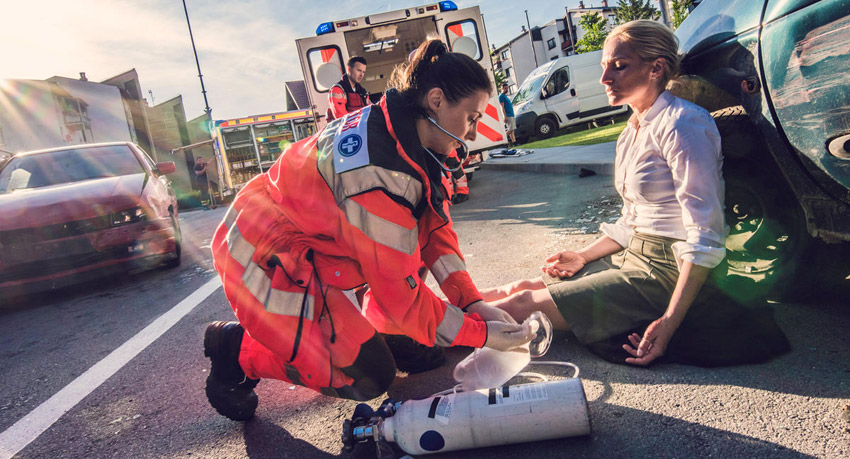
Emergency divisions gain from focused training that prioritizes rate, safety, and triage. Emergency pain management components cover low-dose ketamine for severe pain, rapid multimodal beginnings, fascia iliaca obstructs for hip cracks where regional plan licenses, and evaluation methods that work through noise and time pressure. Case-based drills for procedural sedation, naloxone methods, and managing drunkenness or withdrawal round out these courses.
Perioperative and surgical wards need depth in multimodal regimens, PCA setup and troubleshooting, opioid conversions when switching over routes, and mobilization approaches connected to pain control. Courses that connect analgesia directly to enhanced recovery paths have a tendency to drive far better outcomes.
Oncology and palliative care require convenience with neuropathic discomfort agents, opioid turning, bowel irregularity prevention, and end-of-life signs and symptom monitoring. Communication modules are critical here, particularly for integrating discomfort goals with people who fear sedation or addiction.
Primary care and neighborhood nurses require sensible devices for chronic pain coaching, safe suggesting collaborations, and nonpharmacological approaches that fit real homes. Programs that incorporate inspirational speaking with, sleep health, and rated activity intending help greater than slides on receptor subtypes.
Physiotherapists frequently share the front line with registered nurses in rehabilitation and persistent discomfort. Pain administration courses for physiotherapists emphasize rated exposure, pacing, and exercise prescription, yet the most effective interprofessional programs cross-train registered nurses and physios on shared language and practical team effort. When a person hears consistent messages about flare management, the strategy sticks. If your facility can send out a combined friend via the exact same discomfort management training programs, the advantages double.
The PUAEme008 concern, and where unit-based competencies fit
Some companies use neighborhood or national device codes to arrange competencies. If you have actually seen referrals like puaeme008 provide pain administration or just puaeme008, you are most likely handling a standardized aspect that maps to defined abilities, such as evaluating discomfort, initiating first-line steps, keeping track of for negative effects, and escalating suitably. These expertise systems can appear in emergency treatment or prehospital structures and often align with short training courses suffering management.
When a course promotes that it will certainly give pain management program web content lined up to puaeme008 provide pain administration, read the fine print. Check that the training consists of observed method, not just quizzes. Competency-based programs need to have an office sign-off or simulation checklist. That is what changes concept into a functional credential in your medical facility's competency matrix.
What high-quality curricula look like
A solid pain monitoring training for registered nurses will be built around scientific analytical, not rote recall. You should see individual vignettes that cover different ages and problems, with labs and vitals that change as you interfere. You must practice titration techniques and recognize when a routine is falling short. You must discover to different mechanical pain features from neuropathic hints and have a prepare for both.
Watch for real-world intricacies. Older grownups with renal impairment where NSAIDs and morphine are poor options. Post-op individuals with unattended OSA, where opioids increase actual threat. People with background of substance usage that still deserve timely, sufficient analgesia and company safety and security borders. Programs that avoid these intricacies leave students underprepared.
Technology can assist, but just if it serves the scientific reasoning. Installed opioid conversion calculators, PCA configuration video clips, and interactive side effect management trees serve when affixed to situations. Flowcharts alone rarely transform practice.
Online vs in-person: exactly how to choose
If you are self-funding, require flexibility, or desire a wide structure, an on-line pain administration program is a reasonable beginning. Search for a discomfort management certification course that uses proceeding education and learning debts, evaluates learning with realistic cases, and offers downloadable devices you can make use of at work.
If you are accountable for turning out a new procedure or have a certain ability void on your device, purchase in-person or real-time virtual workshops. As an example, when our medical unit took on a new multimodal pathway, a two-day on-site training course with hands-on PCA laboratories and scenario-based wear and tear drills reduced our opioid-related damaging occasions over the next quarter by a 3rd, and increased early mobilization rates. The same material as fixed slides would certainly not have moved the needle.
For leaders, the most effective strategy is split. Send staff via a core online discomfort administration training program as a baseline, after that run targeted workshops to deal with regional gaps. Procedure results that matter: time to first analgesia in ED, PCA programming errors, unplanned naloxone use, and patient-reported discomfort ratings together with functional objectives like walking distance or cough strength.
The significance of nonpharmacological care
Nurses are distinctively placed to deliver nonpharmacological discomfort treatment at scale. Warm, cool, splinting, repositioning, led breathing, relaxation, and diversion are not "soft" add-ons. They are pressure multipliers that decrease total opioid dose and improve function. Yet many courses provide a slide or two and relocate on.
Look for programs that model these skills and offer you scripts you can adjust. A straightforward breathing mentoring method during dressing changes can drop pain scores and shorten the treatment. A five-minute pre-ambulation briefing with the patient on what to expect, just how to speed, and exactly how to signify for a pause decreases fear and improves the next attempt. Quality courses instruct you to fit these right into the shift, not simply inform you they exist.
Documentation and interaction that shield clients and staff
Pain documentation is a prime resource of threat when things fail. Under-documented analyses, vague rationales for dosage adjustments, and poor handover notes can make a defensible situation look negligent. Discomfort monitoring courses for registered nurses must enhance clear patterns: recorded baseline assessment including function, the details intervention picked and why, review at defined intervals, and any type of acceleration decisions with rationale. Communication training need to include speaking out to prescribers when the plan is not functioning, with concrete language and recommended alternatives.
When I train brand-new graduates, I highlight that documents is part of the intervention. A note that reads "Pain 8/10, refused mobilization" is incomplete and invites blame. "Discomfort 8/10, stabbing with motion, not able to stay up, cozy pack used, pre-ambulation coaching done, oxycodone 5 mg provided per protocol, review intended in thirty minutes, physiotherapy informed for graded sit-to-stand with help" informs a meaningful tale. Programs that design these phrases aid new nurses internalize them.

Cost, time, and return on investment
Budgets are limited, and time off the floor is difficult. A pragmatic view helps. Entry-level on the internet courses range from inexpensive to modest costs depending upon carrier and credit report hours. In-person programs include travel and backfill costs. If a program brings about an identified discomfort monitoring qualification, prices are greater, but the credential may justify it for advanced roles.
The return shows up in less negative events, smoother discharges, and far better client experience scores. When one ED presented a targeted emergency discomfort monitoring training and a streamlined procedure for sickle cell situation, time to initial analgesia dropped by roughly half, and patients reported feeling thought and sustained. Those modifications came with very little brand-new tools, simply a better-trained team.
Evaluating providers without the marketing gloss
Course service providers use comparable language. To differentiate, review the curriculum map and faculty biographies. Look for clinicians who still technique. Inspect whether the program points out present standards and references within the last a couple of years. See if analysis surpasses multiple-choice inquiries to consist of instance reviews or simulated decisions. Ask for a sample component. If the example shows long monologues with thick slides, action on.
It aids to ask colleagues what in fact transformed in their method after a program. If they can call two or 3 things they currently do differently, the program possibly delivered value. If they state it was "useful," you can think the impact.
A realistic path to building competence
Expertise builds across layers. First, a strong online pain monitoring training course to tighten fundamentals. Second, targeted in-person or real-time sessions to practice communication, escalation, and tool monitoring. Third, unit-specific procedure refresher courses each year, tied to local puaeme008 guidelines occurrences and metrics. Fourth, for those that lead or specialize, a discomfort monitoring accreditation program that goes deeper right into policy, high quality improvement, and interprofessional leadership.
Interprofessional understanding enhances the result. When registered nurses, physio therapists, pharmacologists, and junior physicians educate together, they build a shared strategy. Pain management programs for physio therapists that invite nurses into crucial modules, and nursing programs that bring physios right into practical personal goal setting, develop constant messages at the bedside. Patients observe. They feel less tossed in between point of views and more lugged by a team.
Common challenges and how to prevent them
One persisting mistake is overcorrecting on opioid risk and leaving patients undertreated. Good training clearly covers balancing injury reduction with adequate analgesia, including clear guidance on surveillance and when to escalate. One more risk is neglecting neuropathic discomfort features. If capturing, melting pain after a rupture fixing is treated with even more of the exact same opioid, you will chase your tail. Courses ought to assist nurses identify when to promote for gabapentinoids, duloxetine, or topical agents as ideal within local protocols.
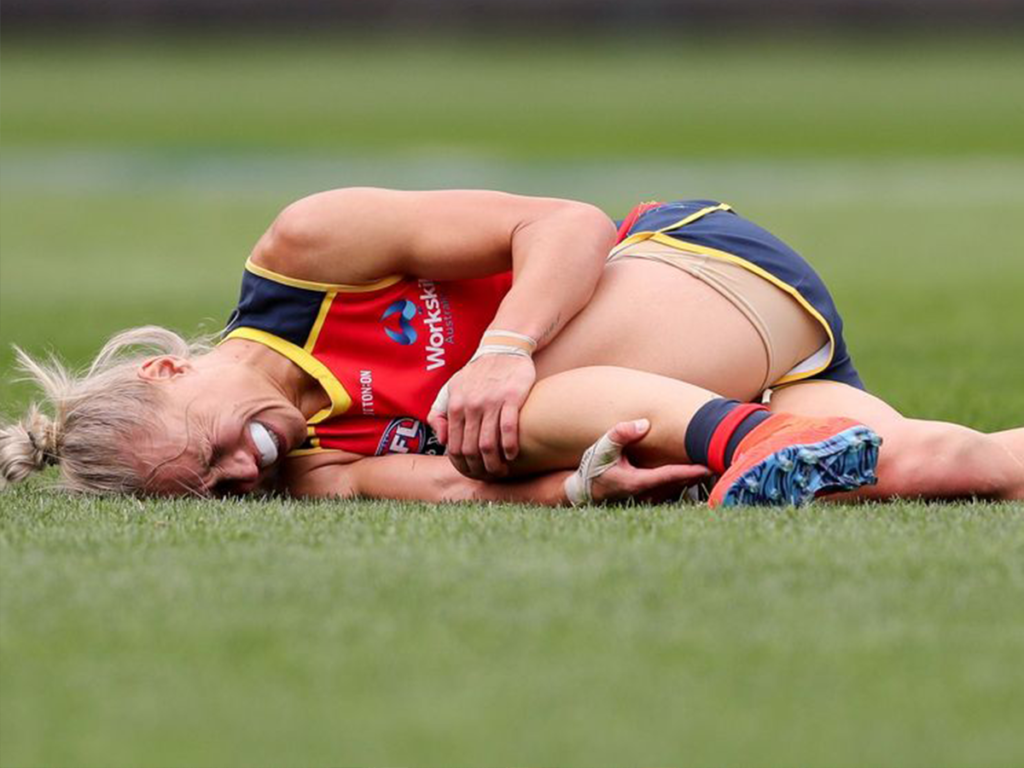
A 3rd problem is dealing with pain scores as the sole target. Useful goals, like coughing properly or walking to the shower room, frequently tell a better story. High-quality programs teach goal-setting with patients, so a "4 out of 10 with the ability to deep breathe" comes to be success, not a failure to strike zero.
Finally, teams occasionally finish a one-off course and declare the task done. Abilities wander. New personnel arrive. Policies alter. Develop refreshers right into the calendar, and track 2 or 3 metrics that matter to your device. Education linked to visible outcomes maintains momentum.
Putting it together: picking your next step
If your objective is to fulfill a demand and clean up foundational understanding, a brief, accredited online program that grants a discomfort monitoring certificate is reasonable. If you require to systematize method across a team, prepare an in-person day with situations from your ward. If you aim to lead change, purchase a pain monitoring accreditation that establishes your capability to analyze data, compose methods, and mentor peers.
Make the selection requirements specific: positioning with your individual population, faculty with present clinical duties, interactive instances, acknowledgment by your accrediting body, and a clear plan for equating knowledge to the bedside. If a program referrals expertise structures like puaeme008 or unit-based emergency situation care abilities, ensure it consists of observed method and work environment sign-off, not just theory.
Pain administration will never ever be totally tidy. Individuals bring their backgrounds and fears, procedures bring inflammation and disturbance, and various bodies react differently to the very same medication. Well-designed pain monitoring training courses for nurses tighten the unpredictability and give you a practiced playbook, with enough judgment to adapt when the instance requires it. When nurses bring that skill to the bedside, patients recoup quicker, groups really feel more positive, and the job ends up being a little less chaotic.